This Data Center Is Everything That Everyone Hates About AI
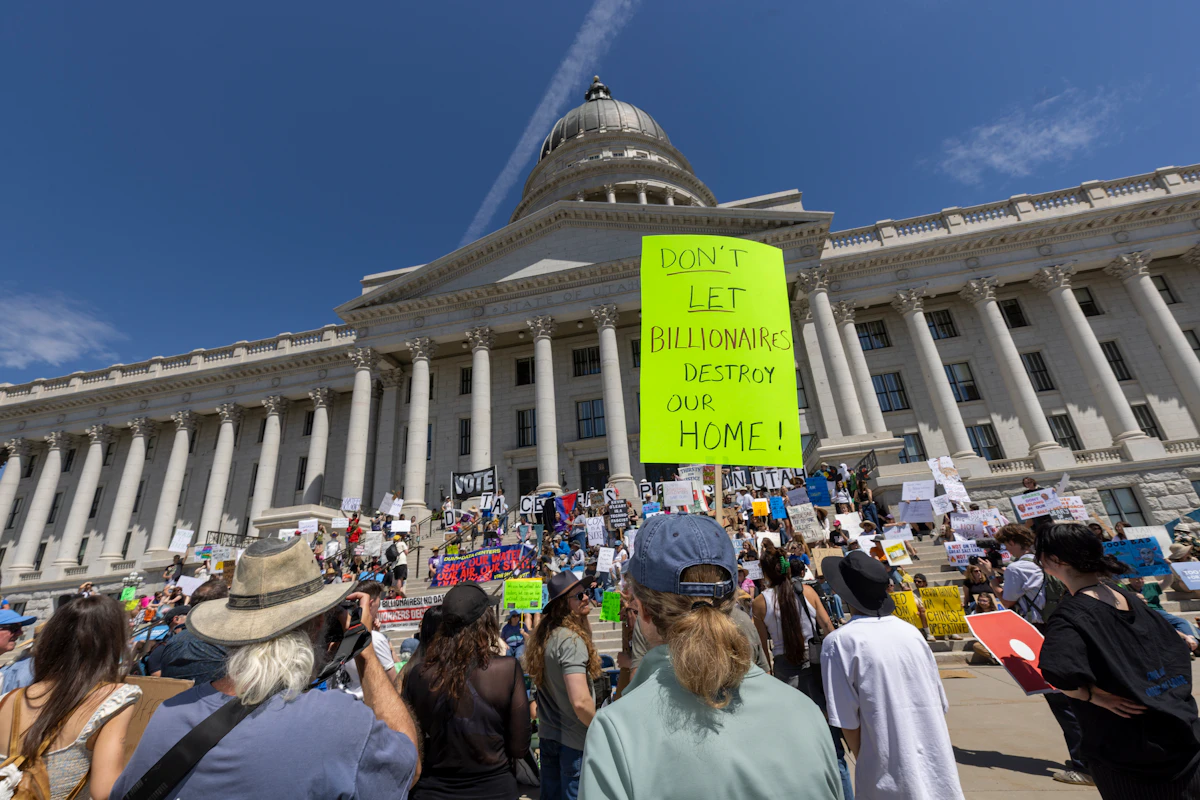
But O’Leary’s promises have done nothing to dampen local opposition to Stratos. In fact, opposition intensified throughout the month of May until Utah Governor Spencer Cox—who had initially backed the project when O’Leary met with him in January 2026—signed an executive order on May 29 to ensure that the state properly evaluates data center proposals. While the Stratos Project was not specifically mentioned in the order, the timing of the announcement, coupled with the significant statewide pushback to the project, showed it was clearly an inflection point. Less than a week later, O’Leary agreed to significantly scale back the proposed data center from 40,000 acres to just over 20,000.
“People are concerned about data centers,” Cox said in a press conference, “they’re concerned about the lake, they’re concerned about resources, and they should be concerned.”
So, six months after the supposed “industrial marvel” of the Stratos Project was introduced, the results have been an angry local community, an embarrassed investor, and a local state government belatedly searching for a sensible framework with which to govern data center growth. The backlash has not stopped yet, either. On June 23, Utah state Senate President J. Stuart Adams, who was also the chairman of the Utah agency that initially approved Stratos, lost his Senate seat to a rival who explicitly criticized his support of O’Leary’s project.