Trump Is Risking a Global Stagflation Crisis With His Iran War
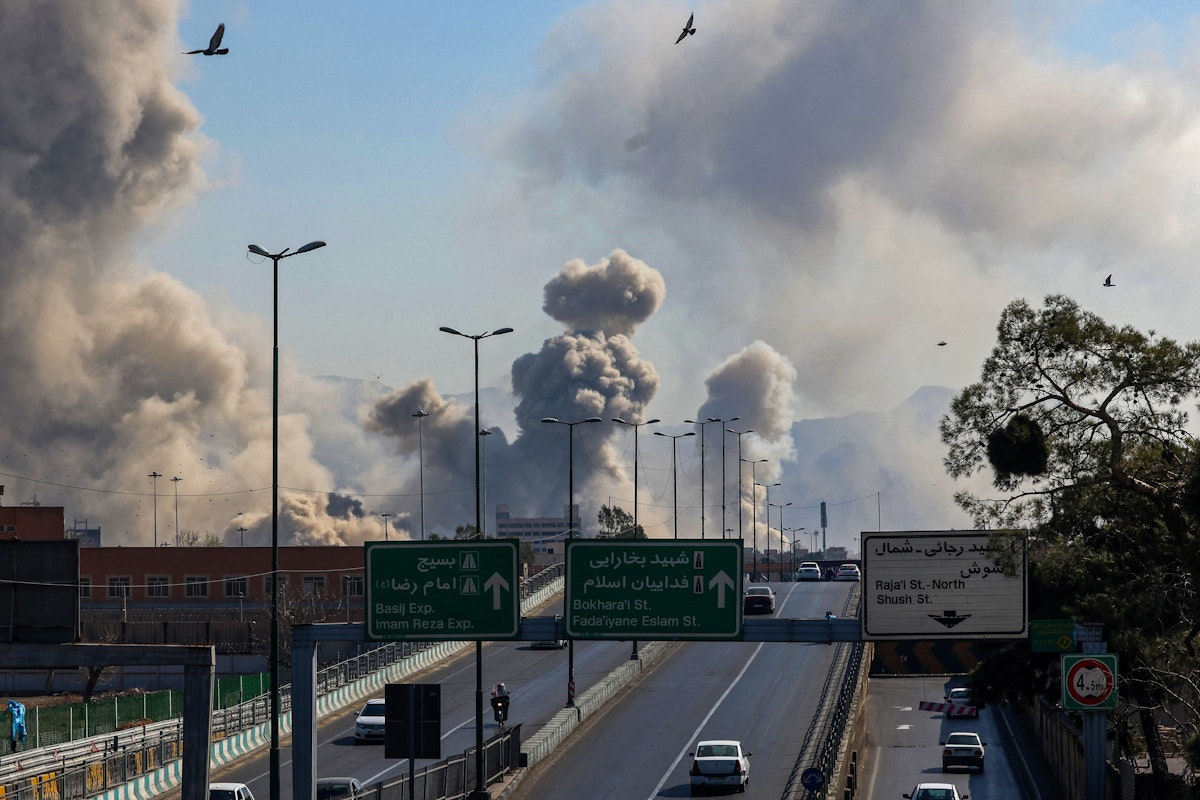
Global energy and fuel prices have jumped massively from their prewar levels. In the United States, per-gallon prices at the pump have risen by 34 cents since the war began—and that’s only for unleaded. Diesel, the primary fuel for the trucks that transport goods across the country, has risen even faster. In Europe, price increases for oil and gas have also risen precipitously, already reaching records set during the initial reaction to the Russian invasion of Ukraine in 2022. For much of Asia, especially China and India, the disruptions are bound to cause concentrated problems within fossil fuel–intensive sectors, likely resulting in further price increases as the ripple effects of this war are felt. Increased shipping costs will lead to more expensive production. As production costs rise, this will only make goods and services more expensive for the consumer. Any and all things that are grown, shipped, or manufactured will take a hit, leaving durable price increases that will persist beyond the end of the war.
These rising energy prices will almost certainly result in political backlash and opposition, both in the U.S. and abroad. Shortages and exorbitant prices will cause queues and declines in spending. Financial markets will be tasked with maintaining their balance sheets while also not completely stopping credit allocation. Debts and interest rates could rise as inflation and financial leverage become too much to bear. Countries will have to ration and actively choose which constituencies deserve more support. Electorally, it will be a disaster for many parties in power. And as the conflict further degrades markets stability, and as refugees flee a worsening situation, this potential for disruption will only grow fiercer. Friends and clients alike will indeed begin to react differently as their direct interests are threatened or upended, especially if in response to a war that was voluntarily launched with no long-term plan.
Trump has attempted to assuage these concerns by claiming, for example, that U.S. air and naval power will protect oil and natural gas shipments through the Strait of Hormuz, while U.S. funds might cover the maritime insurance costs for ships within the region. This, however, would put the U.S. on the hook for a now $350 billion market that is on fire. It is unclear whether the U.S. will be able to sustainably cover these costs, even in the short term. The administration has also announced plans for Treasury Department interventions, monetary policy efforts, and tapping our oil reserves. But with energy production facing an existential crisis, these efforts have yet to soothe markets or their growing fears.