Watching Hoppers With My Kid Was Moving—and Uncomfortable
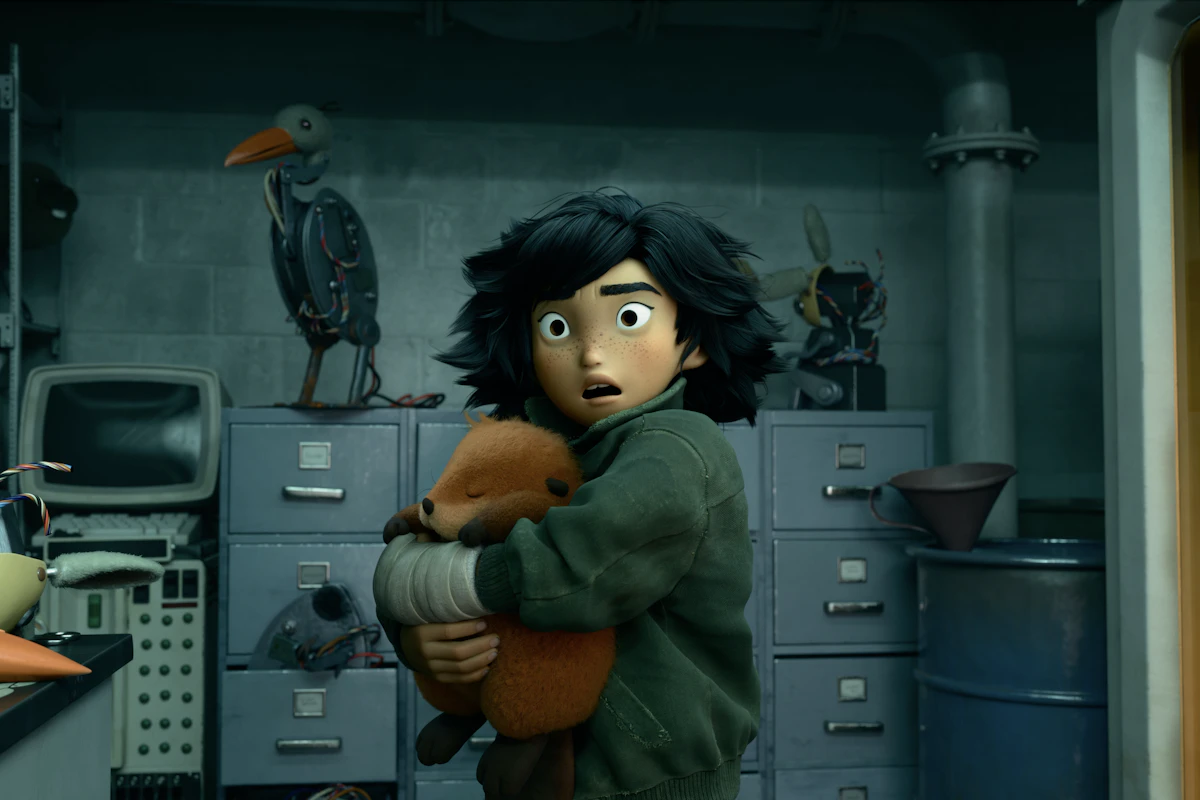
But that doesn’t explain why people so frequently treat the destruction of nature and the suffering of animals as undeserving of legitimate concern. If misery and loss are bad, then these are among the greatest catastrophes taking place today. Around 10 billion chickens, turkeys, cows, and pigs are slaughtered in the U.S. every year. Animals that research suggests are just as smart as the dogs and cats we adore, and just as capable of joy and affection and sadness and suffering, are subjected to the most cruel, barbaric, would-get-you-immediately-arrested-for-animal-abuse conditions that you can possibly imagine (though I suspect many of us are literally not capable of imagining the actual horrors of this factory farmed existence).
Meanwhile, we are rapidly turning the rest of our planet—to our current knowledge the most uniquely precious place in the entire universe—into a degraded wasteland. The statistics can feel somewhat numbing. Humanity has caused the loss of 85 percent of all wild mammals and half of all plants. Since 1970, North America’s wild bird population has fallen by three billion. In that same time, human activities have significantly altered 75 percent of the ice-free land surface on the planet, and destroyed over 85 percent of the world’s wetlands. When I watch Planet Earth or other nature documentaries with my son, he is shown a world teeming with wildlife. But in reality, the beautiful diversity of animals these shows depict are marginalized exceptions to what our planet has become. Humans and our miserable livestock now account for more than 96 percent of all mammal biomass on Earth. Every other mammal—every whale, big cat, moose, beaver, monkey, kangaroo, mouse, elephant, deer, fox, all of them—in combination adds up to just four percent.
Indeed, we are in the midst of the sixth mass extinction in Earth’s history. Every single day, species that have been evolving and adapting and surviving for millions or tens of millions or in some cases hundreds of millions of years are being brought to an abrupt and inescapably permanent end—life forms that will never again be seen in the universe, because of us. My son, who loves dinosaurs as much as he loves all other animals, will sometimes get sad thinking about the asteroid that caused the fifth mass extinction event 66 million years ago. This was the single most catastrophic moment in our planet’s history from a biological perspective—every non-avian dinosaur lineage wiped out, and countless other species too, so that for millions of years afterwards Earth was a barren world of small and monotonously similar creatures. I’m still never quite sure how to communicate to my son that we are creating, of our own free will, a comparable disaster today.